Phosphate Sludge Filters
- Home
- Phosphate Sludge Filters
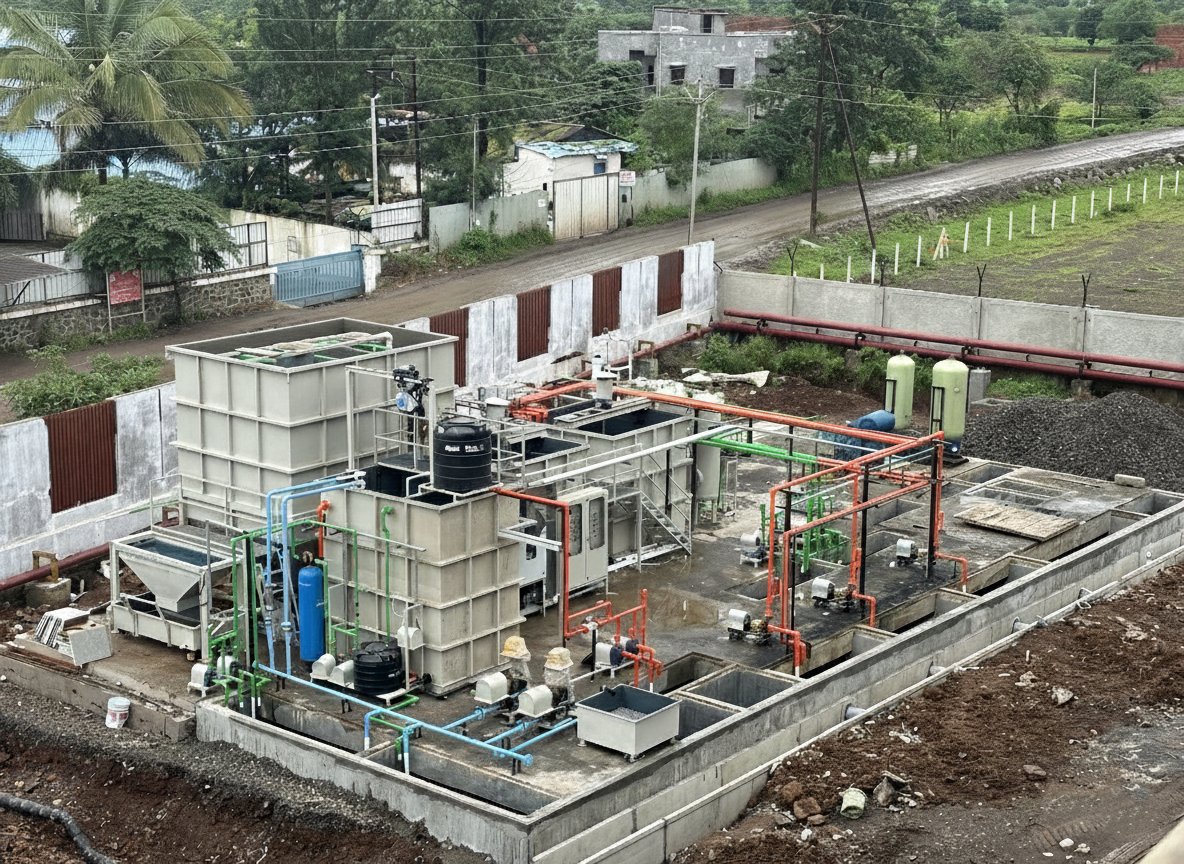
Phosphating is an essential surface treatment process used in industries such as automotive, engineering, metal fabrication, appliance manufacturing, and powder coating. During the phosphating process, a significant amount of phosphate sludge is generated as a by-product. This sludge contains phosphates, metal oxides, suspended solids, oils, and other impurities that must be removed and disposed of responsibly. An efficient Phosphate Sludge Filter helps industries separate solid waste from liquid, reduce disposal costs, recover water, and comply with environmental regulations.
At Sam Enviro, we design and manufacture high-performance Phosphate Sludge Filters that provide reliable sludge dewatering and filtration for phosphating plants and industrial wastewater treatment systems. Our customized filtration solutions are engineered to handle different sludge volumes and compositions while delivering maximum filtration efficiency and lower operating costs. Check out our Sludge Filters & Dryer Systems and Effluent Treatment Plant (ETP) solutions.
Whether you operate an automobile manufacturing unit, metal finishing facility, fabrication plant, or engineering industry, Sam Enviro offers advanced Phosphate Sludge Filtration Systems designed to improve sludge handling, reduce waste volume, and support sustainable industrial operations.
A Phosphate Sludge Filter is an industrial filtration system used to separate solid phosphate sludge from wastewater generated during the phosphating process. The filter removes water from the sludge, producing a dry or semi-dry sludge cake that is easier to handle, transport, and dispose of.
During phosphating, chemical reactions between metal surfaces and phosphate solutions produce insoluble phosphate compounds. These compounds settle as sludge in phosphating tanks and wastewater treatment systems. If not removed efficiently, phosphate sludge can reduce process efficiency, clog pipelines, increase maintenance costs, and create environmental challenges.
A Phosphate Sludge Filter minimizes these problems by efficiently dewatering sludge and recovering filtered water that can often be sent back for further treatment or reuse.
At Sam Enviro, our filtration systems are designed to achieve:
Effective Phosphate Sludge Filtration is a critical part of industrial wastewater management. Proper sludge handling not only protects treatment equipment but also improves overall plant efficiency and environmental compliance.
Reduces Sludge Volume
Dewatering significantly reduces the moisture content of phosphate sludge, decreasing its volume and making storage and transportation more economical.
Lowers Disposal Costs
Dry sludge occupies less space and weighs considerably less than untreated sludge. This directly reduces sludge transportation and disposal expenses.
Improves Wastewater Treatment Efficiency
Regular removal of phosphate sludge prevents sludge accumulation in treatment tanks, improving the performance of clarifiers, chemical treatment systems, and biological treatment units.
Supports Water Recovery
The filtered water collected during sludge dewatering can often be returned to the wastewater treatment process, helping industries reduce freshwater consumption.
Protects Equipment
Removing sludge efficiently prevents pipeline blockages, pump wear, and excessive maintenance of treatment equipment.
Ensures Environmental Compliance
A properly designed Phosphate Sludge Filter helps industries manage sludge in accordance with CPCB, SPCB, and other environmental regulations.
A Phosphate Sludge Filter removes water from sludge using mechanical pressure or filtration media, producing a concentrated sludge cake and a clarified filtrate.
Step 1 – Sludge Collection
Phosphate sludge generated from phosphating tanks or wastewater treatment plants is collected in a sludge holding tank, where it is homogenized before filtration.
Step 2 – Sludge Conditioning
Depending on sludge characteristics, suitable flocculants or conditioning chemicals may be added to improve dewatering performance and increase filtration efficiency.
Step 3 – Filtration Process
The conditioned sludge is pumped into the filtration system. Water passes through the filter cloth or filtration media, while solid particles remain trapped inside, gradually forming a sludge cake.
Step 4 – Sludge Cake Formation
As filtration continues, additional solids accumulate, increasing the thickness and dryness of the sludge cake, preparing it for easy disposal.
Step 5 – Cake Discharge
Once the filtration cycle is complete, the sludge cake is automatically or manually discharged for transportation, recycling, or disposal according to environmental regulations.
Step 6 – Filtrate Collection
The filtered water is collected separately and can be sent back to the wastewater treatment plant for further treatment or reused where applicable.
A Filter Press is one of the most widely used solutions for phosphate sludge dewatering. It uses hydraulic pressure to separate solids from liquids, producing a high-density sludge cake with low moisture content.
Advantages: Excellent dewatering efficiency, high solid recovery, low operating cost, compact design, easy maintenance, suitable for batch operations.
A Belt Filter Press continuously dewaters sludge using moving filter belts and mechanical pressure. It is suitable for facilities handling large volumes of phosphate sludge.
Advantages: Continuous operation, high processing capacity, energy-efficient performance, lower labor requirements, reliable sludge handling.
A Screw Press uses a slowly rotating screw mechanism to compress and dewater sludge. Known for compact design, low energy consumption, and simple operation.
Centrifugal systems separate solids and liquids using high rotational speed. Ideal for applications requiring rapid sludge processing and high throughput.
Our engineers evaluate:
Phosphate Sludge Filters are widely used in surface treatment and phosphating operations across:
A Phosphate Sludge Filter is a filtration system that separates solid phosphate sludge from wastewater generated during phosphating and metal surface treatment processes. It reduces sludge moisture content, making disposal easier and more economical.
Industries such as automobile manufacturing, auto components, engineering, metal finishing, powder coating, steel processing, fabrication, and electroplating commonly use Phosphate Sludge Filters to manage sludge generated during phosphating operations.
The key benefits include efficient sludge dewatering, reduced disposal costs, improved wastewater treatment performance, higher water recovery, lower maintenance requirements, and compliance with environmental regulations.
The most suitable filter depends on sludge characteristics, filtration capacity, moisture reduction requirements, and plant operations. Common options include Filter Presses, Belt Filter Presses, Screw Presses, and Centrifugal Dewatering Systems.
Sam Enviro provides customized sludge filtration solutions, premium-quality equipment, complete turnkey project execution, expert engineering support, installation, commissioning, AMC services, and dependable after-sales support.
If you are looking for a dependable Phosphate Sludge Filtration System, Sam Enviro is your trusted partner. Contact Sam Enviro today to discuss your project requirements.